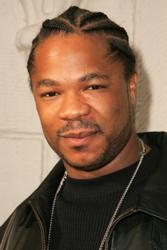
 Braids - Hair is woven together into a variety of styles that can range from tight braids worn close to the scalp with an intricate pattern of parts or braids worn in a single or multiple formation.
  Business man's cut or Professional Cut - a term that describes a short (but not extremely short) haircut.
 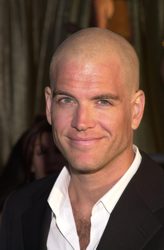 Buzz or Buzz cut - a short cut (like the butch cut described above). The name comes from the sound of the electric clippers used for the cut.
 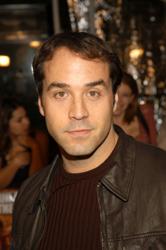 A longer version of the Caeser is known as the French Crop which features longer bangs. Some men will adopt a Caeser or French Crop when they are in the first stages of hair loss but do not wish to go with a shaved or buzz cut.
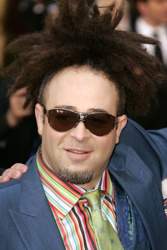 Dreadlocks - This style is also known as having
 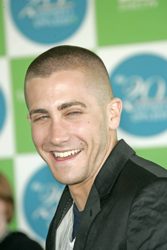 High and Tight - A standard cut in the United States Marine Corps, a high and tight comprises cut to a stubble at the back and sides using clippers with no guard comb attached and short - around 1/4 inch all over on top.





Wanna talk?
HairTalk® is the place for you!


Copyright 1997-2025, hairboutique.com, All Rights Reserved.




| (Image of Xzibit - DailyCeleb.com - all rights reserved). Willie Nelson is famous for his long braided styles. Sometimes Willie wear one single three strand braid that cascades down the back of his head. Other times he will wear two braids on either side of his head. Brush Cut - Hair is cut so that it stands up literally like brush bristles. This is basically a longer variation of the traditional crew cut. Burr Cut - Also known as the induction or jarhead cut. Burr With Bumper - Saw as the horseshoe flattop. (Image of Hugh Laurie "Dr. House" from 2006 - courtesy of Dailyceleb.com - all rights reserved). It would generally refer to a cut that is long enough to be either parted or brushed back from the forehead. The back and sides may be tapered or slightly longer, but cut around the ears. A good example of this cut worn on the shorter side is actor Hugh Laurie from the popular TV show House. Butch - a short cut in which the hair is cut an even, short length (usually around 1/4 inch or less) all over. Outside the U.S., this cut is generally known as a crew cut. Within the U.S., a butch is defined as shorter than a crew cut. The butch is distinguished from a classic American crew cut by its even length all over the head. An true American style crew cut has a little extra length at the front of the head). (Image of Michael Weatherly with buzz cut - DailyCeleb.com - all rights reserved) A buzz cut may typically range from 1/4 of an inch down to complete stubble that is cut without a guard on the clippers. Caesar Cut - a moderately short cut worn in the style of Julius Caesar. The hair is layered to around 1 to 2 inches all over. The hair is brushed forward to a short bang or fringe at the front. (Image of Jeremy Piven wearing a form of a French Crop/Caeser - Global Vision For Peace - 03-20-03 - all rights reserved - DailyCeleb.com) College Cut - Haircut that is similar to an Ivy League cut. The back is clipper cut short all the way past the crown with the length increasing until the front fringe or bangs start anywhere from one to three inches in the front of the head. Bangs may be worn straight down, parted in the middle or brushed to the side. Crewcut - In general the U.S. definition of a crew cut loosely refers to a hair cut that is tapered at the back and sides but may be up to one inch on top. Crew cuts in the United States can also generally mean short male cuts. The European and non-US versions of crew cuts are different. The non-US versions refer to a cut that is short all over (about 1/4 inch) and may be tapered a little at the back and the sides. Cornrows - Cornrows are a type of braid that have been in existence for hundreds of years. They became wildly popular in modern times when Bo Derek wore cornrows in the popular movie "10" co-starring Dudley Moore. Cornrows are created when a row of hair is sectioned off and braided, usually straight or at an angle. Depending on the length and thickness of hair, it can take anywhere from a few to many hours to create cornrows on the entire head. Cupcake Cut - A traditional bowl cut that is cut very high towards the crown so that from the side view, the cut looks like the top of a cupcake. Dipped Mushroom Cut or Dipped Bowl Cut - this is like a regular bowl cut, however, the back follows the curvature around the ears and "dips" at least one to two inches lower at the back or the head. This prevents the bowl cut from having a look much like the side view of a "cupcake" when the bowl is cut too high. (Image of Adam Duritz wearing his trademark dreadlocks - DailyCeleb.com - all rights reserved). A popular style at one point with musicians and rock stars. Dreadlocks can evolve naturally by letting hair knot and dread or it can be created through a series of knotting or dreading techniques. Fade or Temple Fade - a short tapered cut. The hair at the back and sides is tapered from zero length lower down up to around half an inch. The hair may be short or longer over the crown of the head. On top, the hair is longer (up to 2 to 3 inches) and may be layered. Flattop - a range of styles in which the hair is cut so that the top of the hair is cut into a flat surface. This style can have a range of lengths. Depending upon the length of the cut and the hair type, gel or pomade will be required to hold the hair in place. The longer the hair on top, the greater the effort required to style it. The cut gives a flat top surface on the round shape of the head. This means that the hair at the front central area of the head is cut shorter than the hair at the front and around the top sides of the head. Because of this, a short flattop will allow the scalp at the front central area of the head to be visible. This is known as a landing strip. If the hair is left longer on top, the front and upper sides will require more styling (such as blow-drying and either gel or pomade) to hold it place. The sides of a flattop are generally cut very short (although some variations of the cut can have the hair at the sides much longer than on top and slicked down). Another variation of the flat top is to have the back and sides shaved completed clean (with lather and a razor). This variation is known as white walls. French crop - Very similar to a Caesar style, but worn a little longer and/or feathered near the front. Refer to the Caesar definition above. Fringe - A British or European term for bangs. Faux Hawk - A haircut that is a mock version of a full Mohawk (see Mohawk definition below). Referred to as "chicken hawks" by traditional Mohawk wearers. U.S. soccer player Clint Mathis was famous for his spiked blonde faux hawk which he wore in 2002 during competitions. A faux hawk, unlike a full blown Mohawk, has a center strip of hair that snakes down the center of their head and is sculpted into a stiff center spike with pomades, gels or waxes. In the faux hawk the either side of the head is cut close with about 1/4 to 1/2 inches of hair remaining. The sides extend up to the top of the head and merge into the center strip of hair that may extend up off the head by 2 to 4 inches. Depending on the natural texture of the hair, the center strip will be worn lightly spiked or densely curled. Another version of the Faux Hawk was the messy hawk where the center hair was worn softer and tousled and less spiky. Nick Lachey was known for his version of a messy hawk which was also referred to as messy spikes.
(Image of Jake Gyllenhall - 2-27-05 - Vanity Fair Oscar Party -DailyCeleb.com) Alternatively, the top may be cut into a short flattop. The back and sides may also be clean shaved using lather and a razor. This style was worn by Jake Gyllenhall in the movie Jarhead where he played a Marine. Jake's hair was cut to represent an authentic high and tight style. Oster clippers are often used by barbers in the military. They are different from other clippers because they are powered by a motor instead of an electric vibrating device. This allows them to stay cooler during heavy clipping usage. High and Tight Recon - a shorter version of the regular high and tight. The hair is cut higher on the side, tapered very closely on top with a runway in the middle going all the way to the back like a horseshoe. It resembles a Mohawk. Recon-Marines are famous for this haircut. Horseshoe Flattop - an extremely short version of the flattop cut. This cut gets its name because the only hair left on the head is a "horseshoe" shape ring of hair around the upper sides and across the front. The "landing strip" area is bigger than in regular flattops and the unguarded clippers are taken over the crown of the head. One contributor to this website provided some more information about this cut, also calling it a "TH flattop". This is described as a flattop cut with a TH clipper. The TH clipper is a type of clipper that will cut hair even closer than the 000 Wahl or 0 Oster clipper and is almost as short as an electric shaver. The horseshoe flattop is also sometimes known as a "burr with bumper". The cut is basically 1/4" (no more than 3/8") butch waxed in front and an 1/8" along the sides of the "flat" - it's as short as you'll get before going to the full burr or induction cut. It was popular among career Marines in the 1960's. Unlike most other flattops, this cut can work well with fine or thinning hair (or at least some types hair thinning patterns). (Thanks to Gunny for contributing this information.) |
| Continue to Page: < 1 2 3 4 > |
| If you want to talk more about this or other hair care articles on HairBoutique.com or anywhere else, please post a message on HairBoutique.com's Hair Talk Forums.
|
Please follow us on Twitter at: https://Twitter.com/HairBoutique. I look forward to meeting new people from all walks of Twitter and learning from their Tweets.