





Wanna talk?
HairTalk® is the place for you!


Copyright 1997-2025, hairboutique.com, All Rights Reserved.




IntroductionIn a moment of extreme frustration I've been known to whine I was about to “pull my hair” out. While my quip always illicited a laugh from my companions, hair pulling is no laughing matter.
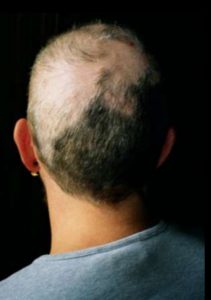
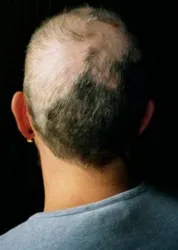
I discussed this hair pulling disease with Dr. Howard Rosenthal, Ed.D, famous author of best selling book, Encyclopedia Of Counseling, Dr. Rosenthal explained that experts believe females suffer more from trichotillomania (TTM) than males. Definition Of TrichotillomaniaCoined by a French dermatologist in 1889, the term described individuals who suffer from a "dis-tressing condition.” The word is derived from the Greek words thrix (hair) and tillein (to pull) and mania (madness). Although TTM involves a compulsive pulling, and sometimes eating, of hair from the scalp, and other parts of the body, it really is not about the individual’s hair or how they feel about it. Feeling A Sense Of GratificationAs Dr. Rosenthal explained, while sufferers often insist “they feel a sense of gratification after pulling out their hair”, most people who suffer from this behavior are usually not specifically upset with the condition or appearance of their hair. A bad hair day is almost never the cause of hair pulling and/or tugging. Instead, pulling is triggered by a wide range of fears, emotions or other conditions. Some TTM patients report that the pulling is actually soothing, while others worry that stopping the pulling might trigger other compulsive behaviors like over-eating or drinking. Trichotillomania Involves Obsessive Compulsive Disorder (OCD)While some trichotillomaniacs or their families, may worry about their mental health, in reality, they suffer from a potentially treatable impulse or obsessive compulsive disorder (OCD). New research indicates from utilization of brain scanning that the disorder may also have physical origins as well as psychological. The Closet FactorAccording to Dr. Rosenthal “the biggest challenge with this disease is the closet factor”. People who suffer from TTM are often too ashamed to ask for help from any official professional source. Their families are either unaware of the seriousness of the problem or may be baffled at how to help their loved one deal with this confusing behavior pattern. Although he treated a 14 year old girl in the early 1970s for what her mother called “Kojack’s” disease, Dr. Rosenthal struggled “with finding other professional sources that even had an awareness of the disease, let along could recommend treatment”. Multi-Modal Approach To TreatmentMost current experts on TTM recommend a multi-modal approach to treatment including behavior modification, hypnosis, and nutritional therapy, which Dr. Rosenthal successfully utilized for treatment of his first patient so many years ago. Some therapists also log success with alternative health treatments such as acupuncture, body work, rolfing, herbs and related therapies. Pharmacological therapy is also an option. The anti-obsessional medications (Prozac, Paxil, Zoloft), known as serotonin re-uptake inhibitors (SSRIs), have been most frequently tried in the treatment of trichotillomania. SSRI DrugsDr. Rosenthal cautions that "use of some of the SSRI drugs currently utilized can cause more problems than they ultimately fix with addiction being one possible side effect". He personally believes "in trying the nutritional and behavioral approaches first having had the best success with those methods". There is a lot of good news for people dealing with the challenges of TTM. Since 1991, The Trichotillomania Learning Center (TLC) has been in operation to help bring TTM completely out of the closet and into the light of public awareness and understanding. TTM Is Finally Receiving AcceptanceThe TLC website offers a wealth of information from lists of current support groups and mailing list to latest research findings and a long list of related links. As a result of all the new information and support, TTM is finally receiving acceptance as a treatable condition that responds to acceptance and open-minded sharing and communication. As Dr. Rosenthal pointed out “for anyone suffering from TTM, knowledge is power which ultimately can lead to healing.” |
|
If you want to talk more about this or other hair care articles on HairBoutique.com or anywhere else, please post a message on HairBoutique.com's Hair Talk Forums. |
Please follow us on Twitter at: https://Twitter.com/HairBoutique. I look forward to meeting new people from all walks of Twitter and learning from their Tweets.