














Wanna talk?
HairTalk® is the place for you!



Copyright 1997-2025, hairboutique.com, All Rights Reserved.




Introduction
Nature, life and circumstances can play lots of tricks on us mere mortals. Throughout history humans have had to live through wars, tragedies, financial disasters and other major stress inducing conditions. When the going gets tough it is important to take time to center, relax, destress and heal the emotional, physical and spiritual pain that may be haunting you. Whether you retreat to your favorite spa for a rose-petal or hot rock massage or stare at your own personal Aquarium, everyone needs a way to chill out and indulge in some nurturing time. A great way to get in touch and turn down the world's volume is to take a long relaxing, healing bath. You can do this for minimal cost at home. All you really need is a tub, some water and some privacy to soak and soothe all that troubles you. Your bath can be a simple dip for a quick chill out break or a long lingering hedonistic experience. The choice is ultimately yours to make and enjoy Centuries of Bath TimeFrom ancient times water and bathing has held a special place in the rituals of the human race. Public baths were a popular and famous institution in ancient cultures.
The Romans are famous for their bathhouses that included everything from a performance theater to areas set aside for reading and massage. Hedonistic food feasts were often included as part of a visit. One huge Roman bathing facility was thought to be able to accommodate 3,000 bathers simultaneously. Bathing was seen as both a rite as well as a refuge to the Roman people. Although the Romans saw the bath as a social event, Egyptians bathed to purify themselves before daily prayers and Greeks believed in the fortifying powers of cold showers. Saunas were a form of steam bath popular for their restorative properties adopted by the early Scandinavian cultures. The Japanese had their own version of ritualistic baths. They believed that a Japanese bath ritual was important to cleanse the mind and spirit and experience man's connection with nature. If dirt was removed in the process, that was just an added benefit. Ironically, the private rooms for bathing, once the guarantee of royalty, has existed for only a century. The privacy of a room set aside specifically for bathing is taken for granted by most people in modern times. When Rome fell, so did the standard for cleanliness and the existence of bath houses. Bathing fell out of favor for both practical and spiritual reasons. In the early days cities did not have piped water.
Also, spiritual leaders considered nudity, a prerequisite for a bath, as a sin of the flesh. To the clergy, bathing was not as much about being hygienic as it was about being a sensual and sybaritic event. It took close to 1,400 years before bathing came back into style. Baths were actually considered unhealthy during the Middle Ages and during the Renaissance. Queen Elizabeth I supposedly bragged, "I take a bath once a month, whether I need it or not." It was the discovery of germs in the mid-1800s that created a turning point. Once germs were isolated and identified the importance of cleanliness was recognized. By 1851 the United States President living in the White House had a private bathtub with running water. Designing Your Bath ExperienceThroughout the world from Italy to Romania there are many varieties of baths from mud baths to mineral-rich waters that have legendary healing powers. Your bath can be a simple matter of combining hot water with a splash of Epsom salts to ease tense, tired muscles and brain cells. Or it can be an elaborate affair complete with many accoutrements such as candles, music, aromatherapy based bath oils, scented soaps, incense and body lotions. You can choose to paint your body with green seaweed or lounge in your own version of a Mediterranean mud bath. Sip hot jasmine tea, ice cold champagne or bottle water. r
The type and duration of your bath is completely your choice and the options are endless. The temperature of your water can range from very hot (100 to 104 degrees) to cold (75 degrees or less). The most relaxing and soothing baths are warm baths that range in temperature from 90 to 98 degrees Fahrenheit. A comfortable zone is 98 to 100 degrees for most people. The Japanese believe in keeping their water over 104 degrees. Excessive temperatures like very hot or very cold can be more therapeutic but less relaxing. Cold baths are designed to reduce swelling by constrict blood vessels. Hot baths are use to eliminate body toxins or severe muscle soreness. Remember to always exercise caution before taking a bath that has temperature extremes. Very hot water can scald or burn the skin. Excessively hot baths can be dangerous if medical concerns are present. If you have a history of reactions to baths you may need to stick to relaxing shows. Some women will develop yeast or bladder irritations from some types of bubble baths, bath salts, oils and teas. Bath additives that have a lot of cornstarch may also be irritating. If you decide to include essential oils in your bath experience, be sure that you review all posted safety use and warnings. Review an aromatherapy book before creating your own essential oil formulas. Relaxing Bath RecipeBefore you start always make sure you don't have health problems that preclude the safety of taking a bath. If you have high blood pressure, are pregnant or suffer from a known illness, always check with your physician before taking a hot bath. The same is true if you have recently had surgery or currently have a cast on an arm, leg or related area of the body. Before you begin gather the following items: 1. Two clean large thick luxurious bath towels. Optional is a heated towel rack that will keep the towels toasty while you float in your sea of pleasure. There is nothing more relaxing then to step from a warm, relaxing bath to a thick bath towel. 2. Robe, Kimono, Flannel PJs, fluffy socks or slippers. If you have a heated towel rack you can opt to sneak your robe or PJs on one of the rungs for a warm treat. A good friend of mine drapes her robe and towels over her steam radiator in her turn-of-the-century house. She raves about the hedonistic pleasure of leaving a warm bubble filled bath and drying off in a warm towel. 3. Candles, incense, aromatherapy conductors & lighter or matches. Your choices are many. You can select just a few If you select candles make sure that they are well designed in either glass or cans that will prevent the danger of fire. Many modern candles are designed to burn out by themselves when they reach the bottom of the can or glass device they are contained in. Remember to always be careful when selecting your bath tools. Aromatherapy Scents & BenefitsChoose from the following relaxation scents for your candles, bath oils, soaps or incenses.
Remember to use caution when using essential oils. Do not apply directly to the skin without using a carrier oil as a base. When in doubt, check a guide to make sure you are safe.
If you prefer to achieve detox results while you relax, you can soak in a spa based seaweed or mud mixture. Select a relaxing blend or if you are inspired make your own mixture. Select oils that are listed above for relaxation benefits. Salts are known to hold heat in the water longer. Epson and related salts will slow the transfer of the heat from the water to the air. So if a long hot bath is your goal, consider using salts.
5. Loofah, sponges, scrubbers, washcloth. Transfer the soothing water from your bath to your face and neck with the help of a soft fluffy washcloth. Or use a natural sponge that will scoop up glorious bubbles and spread them to your skin and shoulders. Play with a loofah to remove newly softened skin. Use a back scrubber to get to hard-to-reach places. Many people benefit from performing a dry skin brushing before they bathe. This is a simple way to detox and help stimulate the lymphatic system. It is also thought to help control or break down cellulite. A famous model told me her own beauty secret for soft skin. Her secret tip involved pouring a packet of powdered milk under the running bath water as the tub was filling. She advised me that the lactic acid in the milk would help remove dead skin cells and soften skin. Guess what, it worked.
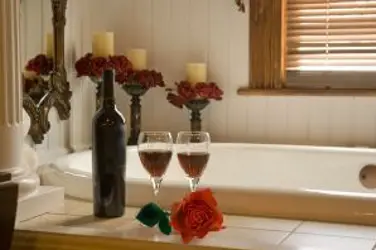
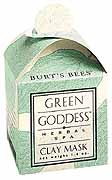
After you have soak for 5-10 minutes and allowed the steam to penetrate, apply your favorite masks. Rinse the masks off after the appropriate time delays. A hot bath is an excellent time to do a hot oil conditioning treatment on your hair. One option is to apply a hot oil to your hair before you step into the tub. Wrap your hair in a plastic shower cap or small towel to prevent dripping. Once you sit in the tub you can remove the cap or towel to give your hair cuticle maximum conditioning heat. You may want to shampoo your hair in the shower after you finish your bath. 7. Spring or bottled water, tea, wine or liquid of choice. The Japanese love to take a pot of jasmine or green tea with them to their bath. If you are preparing for bed, a pot of chamomile or SleepyTime tea would be a great choice. Some people prefer a glass of red wine, champagne or port to help relax. If you take a glass into the bathroom, be careful to avoid accidents that could result in broken glass shards. It is always good to have a bottle of water available since a warm or hot bath can be dehydrating. Be sure to sip water if you feel the need.
After you dry off with the soft, nurturing bath towels, apply the warm and sensuous lotion from head to toe. 9. CD Player or other music source. Pick your most relaxing music. Some people love to listen to the soothing sounds of Kitaro, bubbling brooks or Bach. Others prefer soft jazz. Pick the sounds that you enjoy and start the music BEFORE you get wet. Keep the CD player on the other side of your bathtub to prevent any danger from electrical exposure. 10. Portable Phone. Although some people want to turn off the phone, others worry about missing calls from loved ones. To be available or not is up to your. However, plan in advance. There is nothing worse than settling into a fabulous hot bath complete with candles, music and your favorite tea to hear the phone ringing down the hall. Either unplug it or keep a portable nearby for emergencies. Optional Bath Accessories
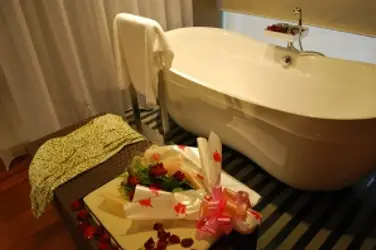
If you are feeling romantic, decorate your bath with fresh flowers or sprinkle some rose petals into your bath water. Taking The BathOnce you have all your bath tools assembled, start the water. Monitor the temperature carefully so as to avoid scalding your skin. Step carefully into the tub. Some people prefer rubber bath mates to avoid slipping and sliding. Other like the au natural feel of the porcelain under their skin. Sink your body slowly into the water being careful not to submerge too quickly. Once you are neck-deep into the water, allow the heat to penetrate down to your bones. Relax and soak allowing stresses and strains to leave your body and your mind. Cover your eyes, rest back into your bath pillow, rolled towel or floating headrest and enjoy. Listen to the soothing sounds of the music you selected, think pleasant relaxing thoughts and just enjoy the quiet time. Let your body totally unwind until you feel all the stress and hardness leave. The goal is to feel like soft jelly. Some people find a relaxing bath a great place to meditate or release negative emotions. Others enjoy letting their minds wander. If you prefer, you can slowly heat up the water in the tub as it cools. Or you may wish to exit the tub when the water reaches a certain stage of coolness. After you step out of the tube, wrap your dripping body in your big towel. If you wish to rinse off body or hair masks or other treatments, step into a shower. If you want to wake up the senses, try a cool shower. If you want to sleep after your relaxing bath, take a warm to hot shower.
Apply a cuticle cream or foot or leg cream to dry skin. Spritz your skin with a fabulous spray. Complete the process with a quick splash of your favorite perfume, cologne or scent. ConclusionThink about it. A bath offers a practical, pleasurable experience you can instantly create in the tranquility of your own home. You can make your bath a special time just for you. A gift you give yourself on a regular basis. Enjoy! Social Media Network InformationPlease follow me on Twitter at: http://Twitter.com/HairBoutique. I look forward to meeting new people Thank you for visiting us at The HairBoutique Blog and for leaving your comments. They are very much appreciated. We apologize in advance but must remove any direct advertisements or solicitations. - Revised Publication Date: 07/07/10 | ||||||||||||||||||||||||||||||||||||||
| If you want to talk more about this or other hair care articles on HairBoutique.com or anywhere else, please post a message on HairBoutique.com's Hair Talk Forums.
|
Please follow us on Twitter at: https://Twitter.com/HairBoutique. I look forward to meeting new people from all walks of Twitter and learning from their Tweets.