



Wanna talk?
HairTalk® is the place for you!
Copyright 1997-2025, hairboutique.com, All Rights Reserved.




Introduction
One of the most confusing types of hair styles are those that are layered. Even the term "layering" is often misunderstood by hairdressers and hair consumers alike. This article was written to share hair secrets about what hair layering really is and tips on how to acquire the layered hairstyle of your dreams. Quite simply, hair layering means the creation of variable lengths of strands throughout an established hair cut whether long, medium, short or mixed lengths. Although there are multiple reasons for confusion about hair layering, the key confusion is not in the actual definition but is tied to the misinterpretation of the many different ways layering can be used to alter or enhance an existing hairstyle. This definition of layering - simply cutting layers into the total hairstyle to create different lengths - is a correct definition but is not the true function of layering.
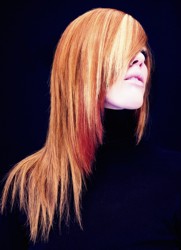
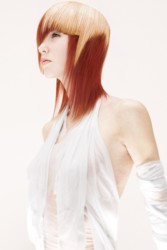
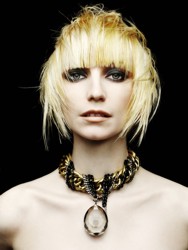
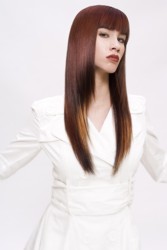
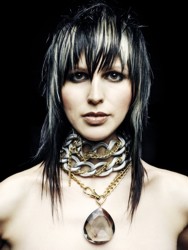
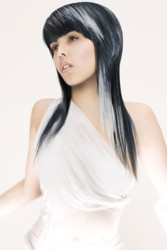
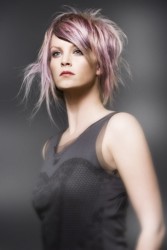
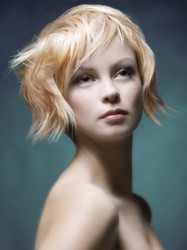
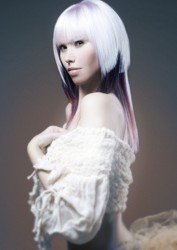
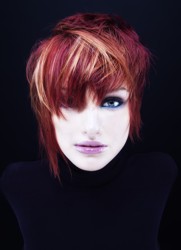
'This fact is something I learned in cosmetology school. I was surprised to discover that layering hair is not performed just to create different lengths. Layering is done to create definition and enhance hairstyles and is much more complicated than most hair consumers can even begin to imagine. Layering hair is often used to create instant drama and may be seen more frequently on high fashion catwalk hairstyles, at award winning hair shows or created by well respected hair gurus and celeb stylists. Layered hair styles, when combined with contrasting hair colors can morph into stunning works of hair art. How Layering Is PerformedHow is layering performed? Individual strands of hair are lifted from the head at different angles from the natural growth pattern and then cut to a specific length. When strands of hair are held at a 90 degree angle straight away from its natural growth pattern and then cut in a uniform length and manner throughout the entire head, it is considered to be an all-over layered cut. When layers are cut into long hair they are created by holding strands of hair at a slight elevation while establishing the desired hanging length.
If strands of hair are held flatly against the head without any elevation this is considered to be a cut with zero layering.
When hair is held at a 45 degree elevation and cut the perimeter will be moderately layered. This slight perimeter layering will promote softness, remove excess weight and allow the ends to move with freedom Layering throughout the crown and the top of the head is the most common type of layering due to the fact it removes some of the length in the crown and the frontal areas so the hair will move away from the head.
If hair is allowed to remain too long along the crown, the hair will lie flat against the head, which may or may not be a good thing. When crown hair is cut slightly shorter then the rest of the strands, the hair will have less weight and gravity pull and will stand away from the head giving the look of more volume. Layering ToolsLayering may be done with a traditional hair cutting scissors, a thinning shears that has one notched blade, with a razor or a combination. The tools utilized depend on the skill and comfort level of the hairdresser as well as the type and texture of hair being layered. The desired hairstyle will also influence which layering tools are used. Thinning shears are quite similar to hair cutting scissors except that they have one or both blades notched or serrated. The single notched edge of thinning shears cuts more hair. The notches provide a way to layer hair in a uniform manner.
Should you ask your hairdresser to use a specific layering tool? I would not recommend it. Let them utilize the tools they feel most comfortable using. This will enhance your chances of receiving the best possible layered style. Layering Rules - Dos & Don'tsSome areas of the head benefit more from layering than others. These areas include: 1. Throughout the crown. 2. Along the top of the head. 3. Through the upper part of a forehead fringe or bangs. Note: For more tips on straightening bangs read Bangs - The Straight Scoop.
There are some areas of the head which do not do as well when layered. Although there are exceptions to this rule depending on the head of hair being layered, for the most part they include the following areas: 1. At the nape of the neck extending from ear to ear. 2. Along the side of the head above ears 3. Around the hairline next to the face where hair is not heavy enough for consistent layering. 4. Along the hair part. When layers are added adjacent to the part, a line may form in the style. 5. Near the very ends where hair is not thick enough to support layering and may cause the hairstyle to lose its shape. Thinning shears are quite similar to hair cutting scissors except that they have one or both blades notched or serrated. The single notched edge cuts more hair. Which one used depends on the preference of the cosmetologist. The notches provide a way to layer hair in a uniform manner. Ideal Hair For Layering
Some hair textures are more ideally suited to layering than others. Coarse hair is best suited for layering followed by medium hair. Fine hair is the texture least suited for heavily layering. When fine or thin hair is layered improperly it can actually make it look even more wispy and paper thin.
When coarse hair is layering improperly it can look jagged, ragged or overly choppy, but not in a good way. One of the biggest mistake some hairdressers make is improperly layering naturally curly hair which can render it triangle shaped. Curly hair requires a special type of shaping that is different from traditional layering. Straight and wavy hair can respond the best to layering techniques. With wavy hair, properly applied layers will enhance natural wavy textures creating a beautiful cascade of waves in harmony with the overall shape of the hair. Straight hair, as long as it is not overly fine or thin, can also benefit from carefully placed layers. Value Of Layering Hair
Some hair textures are more ideally suited to layering than others. Coarse hair is best suited for layering followed by medium hair. Layered hair, when created on the appropriate texture and type of hair includes the following benefits: 1. Adds instant volume to target hair areas. 2. Provides dramatic shapes to certain types of hairstyles. 3. Serves as a perfect canvas for contrasting hair colors. 4. Will punch up certain types of textures, including natural waves. 5. Is a perfect base for creating high fashion hairstyles. Disadvantages Of Layering HairLayered hair can also come with some disadvantages. One of the most common complaints hair consumers lodge is the fact that they can't seem to get a good layered haircut. This is due to a variety of reasons including a lack of total understanding of the value of layers. What one person considers as extremely layered translates to only slightly layered for another person. Consequently unless you and your hairdresser can communicate clearly, there is a chance that your goals for layers being added to your hairstyle will not leave up to your expectations. The other disadvantage to layered styles is that it is often difficult to completely reproduce the same style again. Every layered style has its own unique hair print, if you will, which will change constantly as the hairstyle grows out. Layered styles also require regular maintenance to keep the style looking fresh and shaped. Because layered styles have a multitude of lengths, it is important to be very religious about having layered styles trimmed and reshaped. Get The Layering Hairstyle You Desire
Part of the reason hair consumers are not happy with their layered styles if because they may not communicate their goals clearly to their hairdresser or they may not understand that their hair type and texture will not translate properly to layered styles. The other major problem is deciding in haste to try a new layered hairstyle without first considering all the maintenance and hair care issues. If you love layered hair but can't seem to get the hairstyle you desire, consider taking the following steps: 1. Look for layered hairstyle examples that you love. Check out hair magazines like 101 Celebrity Hairstyles or ShortCuts or visit the HairBoutique.com hairstyle gallery for hairstyle examples. 2. Clip the hairstyles or print them out from the Web. 3. Take the desired layered style images to your hairdresser for a CONSULTATION ONLY. Do not let them cut your hair into layers at the consultation appointment. There are reasons for this but trust me on this suggestion. 4. Discuss the desired layered style with your hairdresser. Ask if your hair type, texture and current condition can support your desired style. Listen carefully to what your hairdresser tells you and take notes if necessary. 5. If your hairdresser tells you they can re-create your desired look, pay them for their time and then go home and think about your desired style from all angles including possible maintenance issues. If you are absolutely sure the layered style can work for you and you can maintain it properly, go back to your hairdresser and proceed with having the style created on your hair. 6. If your hairdressers tells you the styles you like won't work on your hair type or texture, ask for other options. Do not allow your hairdresser to cut any possible new options until you have had time to go home and weigh all the alternatives. If you decide you can live with the options, go back and let your hairdresser proceed. Steal This Layered Hair Style In An Instant
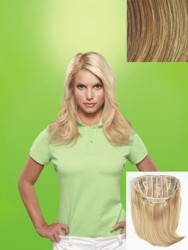
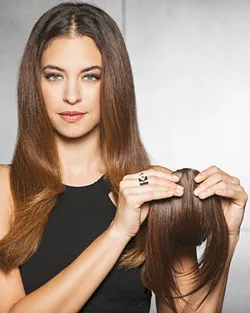
If your natural hair is all one length but you want to try out layered tresses, Jessica Simpson and her hairdresser Ken Paves created the perfect solution. They created a specific add-on hair extension from the popular HairDo line that is layered. If you love the idea of layered strands and wish to re-create it in an instant but don't want to actually risk cutting layers into your hair, consider popping on one of Jessica Simpson's layered HairDo cap extensions which easily integrates with your existing hair to immediately create a glamorous Hollywood hairdo that is layered. The Jessica Simpson HairDo styles are available in a wide range of colors in either Human Hair or synthetic with the entire collection available here at HairBoutique.com by calling 1-866-469-4247 or shopping online at the HairBoutique.com Marketplace 24 hours a day. SummaryOne of the most confusing types of hair styles are those that are layered. Even the term "layering" is often misunderstood by hairdressers and hair consumers alike. Social Media Network InformationPlease follow me on Twitter at: http://Twitter.com/HairBoutique. I look forward to meeting new people Thank you for visiting us at The HairBoutique Blog and for leaving your comments. They are very much appreciated. We apologize in advance but must remove any direct advertisements or solicitations. - Revised Publication Date: 01/20/11 | |||||||||||||||||||||||||||||||||
| If you want to talk more about this or other hair care articles on HairBoutique.com or anywhere else, please post a message on HairBoutique.com's Hair Talk Forums.
|
Please follow us on Twitter at: https://Twitter.com/HairBoutique. I look forward to meeting new people from all walks of Twitter and learning from their Tweets.