








Wanna talk?
HairTalk® is the place for you!

Copyright 1997-2025, hairboutique.com, All Rights Reserved.




Introduction
If you pay attention to celebrity hairstyles you may discover that many of their hair styles transcend the limitations of the celeb's natural hair type, texture or length. Yes, it's true that most celebrities have an army of the very best hairdressers. It's also true that their hairdressers often "use every hair trick in the book" when creating fabulous Red Carpet styles. Celebrity hairdressers can turn the worst head of hair into a fabulous creation with the right hair pieces, styling products and their special hair crafting skills. Backcombing - DefinitionSo how do these master of strands do it? One trick that is often utilized by famous hairdressers, for their star clients, is backcombing.
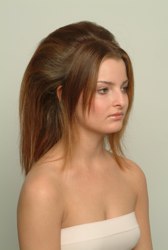
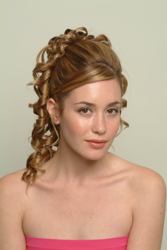
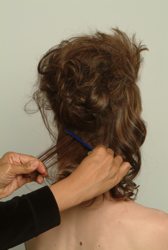
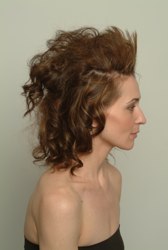
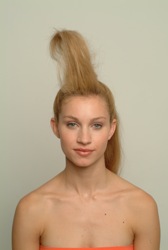
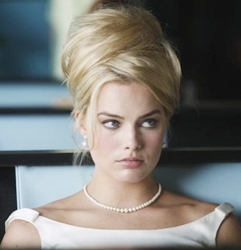
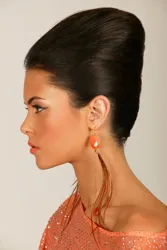
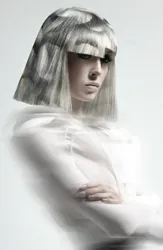
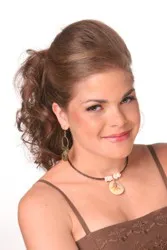
Examples of hair in various stages of backcombing are shown above and to the side. Backcombing, which has been used since the beginning of big hairstyle is designed to create a base for big hair, or full styled updos. It is also used to great big dreadlocks. Backcombing can be defined as combing the strands a direction that is opposite to the hair's natural growth pattern. Backcombing, also known as "teasing", has been around for many years. Teased hair became super popular during the 1950s when big hairdos like the Bouffant and Beehive (shown above) were the rule rather than the exception. Big hair also was popular in the 1960s and is of worn, regardless of the times, for special hair events. Popular styles during the 50s were teased into big, bodacious, dizzying heights. Then it was sprayed into a solid beehive or bouffant helmet that sometimes flowed into curls, waves or a tight flip at the ends. Backcombing Dos
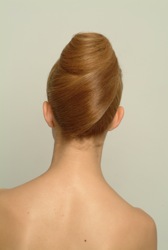
On the up side, backcombing creates instant fullness and height to thin strands. It is also will create a fabulous base (as shown to the side) for a more elaborate updo. Backcombing is still used today for spot styling bangs hawks, faux hawks, quiffs, full mohawks or for creating a big style like those worn by some supermodels on fashion runways. Backcombing is also popular with people who are starting a new head of dreads. Short stranded folks can utilize backcombing and firm hold sprays, gels or other styling products to enhance a spiky style. If you are unsure of how to do backcombing, you may wish to book an appointment with your hairdresser. Ask them to craft a style that has a teased base or isolated teased sections. Pay attention to how they backcomb your strands, ask questions as they progress and take notes for future reference. Listed below are some basic backcombing Dos & Don'ts: 1. Divide and conquer. Select smaller sections of hair 1-2" in width to get a compact, tight base. Focus on the root area and pack the hair tightly towards the scalp to achieve a strong base to for a bigger overall style. 2. Be consistent
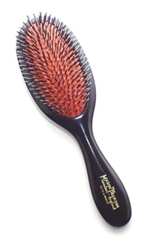
Use the same method of teasing or backcombing to get a uniform look. Whether you decide to use small sections or large sections of hair, be consistent for the entire process. 3. Use good tools A fine toothed comb is usually recommended although metal flea combs are often used by some hairdressers. Some hair types and textures respond better to being teased with a brush. To achieve super fine teased roots some hairdressers will use a toothbrush. Be willing to experiment with different types of styling tools to achieve the desired results. 4. Use good products Remember to use good styling sprays or similar products to support the backcombed sections. While less may be more, when it comes to teased hairstyles, too little may not be enough. 5. Consider Sculpting Brushes
A sculpting brush is great for backcombing because it can add volume to short, textured styles that need some movement. The sculpting brush works best for hairstyles that include short cuts, round layers and ultra textured outlines. Imagine creating choppy ends and razored perimeters. 6. Strokes Are Important Use short strokes rather than long fluid strokes. Practice until you achieve the correct results. The key to backcombing is uniformity. Strive to make all the sections the same size and tightness. 7. Save Your Strands When you are planning to create a backcombed style but have limited experience with hair teasing, consider practicing on wig strands to firm up your techniques. This will allow an opportunity to experiment without risking delicate tresses. 8. Aged Strands Tease Better Keep in mind that freshly washed hair may be overly soft and slippery, making it challenging to tease or backcomb. If you prefer to work with newly washed hair limit your use of conditioners or other products that make strands slippery soft. Backcombing Don'ts
Like everything in life, there is a downside to backcombed strands. If performed incorrectly, the stress of teasing or backcombing hair can damage delicate strands. Improper strand handling can result in ragged strands and more split ends. 1. Avoid Excessive Backcoming When you perform this type of hairstyling you are in essence creating a tangled web of strands designed as a base for an updo or other style. It is always best to save this type of extreme hairstyling for special events. 2. Consider Impact on Sensitive Strands This type of hair treatment is not advised for any hair that is prone to breakage or damage. It is also not recommended for anyone trying to grow long, healthy strands. 3. Beware of Chemically Treated Hair
Some chemical treatments like relaxing and thermal reconditioning or chemical straightening can render strands more fragile than normal. Remember that backcombing is not recommend for hair that is excessively fragile or prone to easy breakage. 4. Understand Detangling Issues A tightly backcombed style can border on the tangles of a dreadlocked do. Removing tangles can often be problematic. Make sure you are prepared to put in the time involved to carefully detangle your strands after you tease them or rethink backcombing as an option. 5. Keep Teased Strands Dry Avoid wetting down the newly teased hairdo. Water can intensify any tangles and make them virtually impossible to remove. 6. Preserve Health Of Longhair - Avoid Backcombing Long hair can be risky to backcomb. Although teased long strands will create very big and puffy hair, it can rip, break or tear more easily.
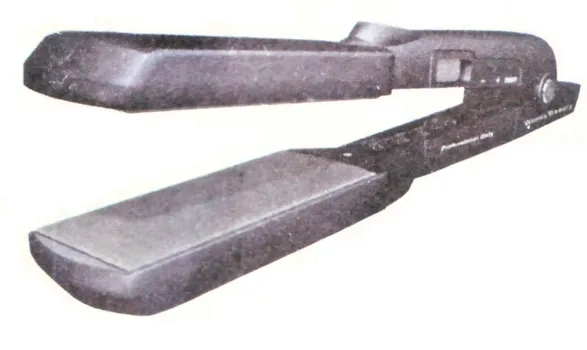
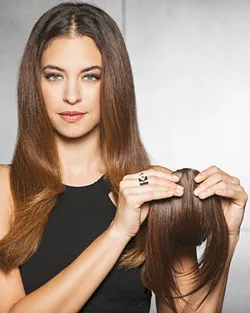
Big hair can also be created through hair extensions or the temporary use of clip-on tresses. Consider these options first before risking damage to healthy long locks. 7. Temporarily Straighten Curls First Curly or super wavy hair that is backcombed without first being straightened with a flat iron can be the worst type of style to detangle. 8. Cool, Dry Strands Only Never, ever consider backcombing strands that are damp, wet, hot or warm. Hair must be 100% dry and cool to prevent excessive damage. Instructions - Backcombing Steps1. Begin by making sure that super curly or wavy tresses are flat ironed or blow dried straight. Although curls and waves will create major height and volume, they will also have a tendency to be more easily damaged. Avoid backcombing hair which has any natural texture to prevent excessive tangling. 2. If hair is flat ironed before it is backcombed, be sure that the strands are 100% cool before teasing. Strands that are still warm or hot will break or rip easier.
3. Begin by using a soft boar’s head brush or similar natural bristle brush to make sure that all knots and tangles are completely removed from all strands before backcombing. Never backcomb strands that are not first detangled completely. 4. Using a rattail or metal comb or teasing brush, part off a section of hair from the rest of the strands. Clip the remaining hair out of the way. 5. Using your hands in conjunction with a comb or brush, gather a small section of hair approximately 1-2 inches in thickness. Note: Use smaller strands for tighter results or larger strands for looser results. 6. Hold the ends of the new section straight up and out from the scalp with one hand. In essence you will be backcombing your strands in the opposite direction from its natural growth pattern. 7. With the other hand, run the comb down the length of the hair from the end towards the base of the scalp in short, sharp and uniform strokes.
8. If you don't achieve enough teased hair or height in the first pass, repeat the process until the hair has the right fullness, height and texture. 9. Spray newly teased sections with a firm hold hairspray. 10. Once the first section is completely teased, pick up the next section of hair and repeat the process until all of the desired sections of hair have been completely backcombed. 11. Use a firm hairspray to completely spray all of the teased hair when the backcombing is complete. 12. Using both hands carefully smooth the teased hair back in the opposite direction making sure there is a lot of height in the desired area of the hair. Finishing TouchesSince teased hair can sometimes look rough around the edges, consider using a shine serum like Phyto's PhyoLisse, Rene Furterer's Spray Gloss or Robert Hallowell's Love That Shine Drops. Apply the shine serum or spray of choice to the palms of your hands.
Rub the product into the palms and then lightly glide over the top of the teased style to add instant shimmer and shine and remove any roughness. Spray well with hairspray like Phytolaque or Jessica Simpson’s favorite Phytolaque Soie made with real silk that adds a soft sheen to the final look and will also help soften the overall finish. Remove BackcombingAlways take as much time as necessary to remove the backcombing. Never shampoo or stick your head in the shower until after you have carefully removed the style. Water will cause the hair to tangle further making removal of the hair nest more difficult, if not impossible. Use a 100% boar's head cushion or paddle brush. Separate the hair into small sections. Work slowly and carefully from the ends of the hair up towards the scalp. Avoid tugging or impatience. Take as much time as necessary and work methodically from side to side.
After a major backcombing session remember to step up your normal conditioning and deep conditioning treatments. When possible, give your hair a rest from continual backcombing. Social Media Network InformationPlease follow me on Twitter at: http://Twitter.com/HairBoutique. I look forward to meeting new Visit us at Hairboutique.com located at: http://www.HairBoutique.com, on Facebook, MySpace and YouTube. Thank you for visiting us at The HairBoutique Blog and for leaving your comments. They are very much appreciated. We apologize in advance but must remove any direct advertisements or solicitations. - Revised Date: 10/08/11 | ||||||||||||||||||||||||||||||||||||
| If you want to talk more about this or other hair care articles on HairBoutique.com or anywhere else, please post a message on HairBoutique.com's Hair Talk Forums.
|
Please follow us on Twitter at: https://Twitter.com/HairBoutique. I look forward to meeting new people from all walks of Twitter and learning from their Tweets.