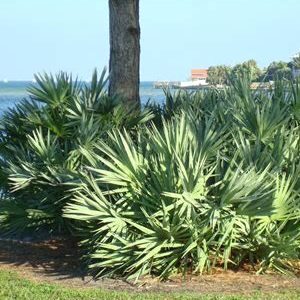
 Saw Palmetto is a small shrub that is native to the Southeastern part of the United States.









Wanna talk?
HairTalk® is the place for you!



Copyright 1997-2025, hairboutique.com, All Rights Reserved.




IntroductionSaw Palmetto is a small palm with large leaves native to the Southeastern United States. The palm has large deep red blackberries. The Berries have been eaten as a staple food and used as a medicine by American Indians for thousands of years. The berries contain powerful phytonutrients shown in dozens of studies to interrupt the hormonal mechanism that causes the prostate to be enlarged. Saw Palmetto (Serenoa repens) is the best-selling natural prostate remedy, the berry outsells all other herbal prostate remedies combined. The prostate is a walnut-sized gland that lies at the base of the bladder and surrounds the urethra. The urethra is the tube that carries urine from the bladder to the penis. The prostate gland secrets about 25% of the seminal fluid that's combined with sperm during ejaculation. This fluid acts as a lubricant to protect and energize sperm. Only the male of our species has a prostate. Due to hormonal changes that take place after the age of 40, the prostate can grow to many times its normal size. In extreme cases, it can grow as large as a grapefruit. This is normally referred to as benign prostatic hyperplasia or BPH. When the prostate grows, it puts pressure on and narrows the diameter of the urethra and pushes against the bladder, obstructing the flow of urine, resulting in a weak, often interrupted urinary stream. Some of the symptoms of BPH are a frequent need to urinate, feeling as if you can never completely empty your bladder and a loss of sexual potency. If you have these symptoms you should immediately make an appointment to see a urologist. If you are taking Saw Palmetto it's important to inform your urologist as it may definitely affect the test he may do. History Of Saw Palmetto
The berries were used by Native Americans as both food and medicine. Saw palmetto was officially listed in the National Formulary from 1926-1950. The 23rd edition of the United States Dispensatory recommended saw palmetto berries for “the enlarged prostate of old men.” Eventually Saw Palmetto fell out of favor in the United States. However, physicians in Europe continued to utilize this invaluable herb. In Germany today, it’s one of the top ten herbal medications prescribed by physicians. Saw Palmetto is often mislabeled as a man’s herb. While it certainly has many benefits for men, it holds an important place in this formula for women. Traditionally considered a uterine tonic, Saw Palmetto has long been used for painful menstruation, and ovarian pain and inflammation. Scientific understanding of its influence in the body also suggests its use for the reduction of androgen (male hormones) excess in women. Scientific ResearchSaw palmetto has been the focus of numerous clinical studies that have demonstrated its effectiveness in relieving the symptoms associated with benign prostatic hyperplasia (BPH). This condition affects 50% of men over the age of 50. BPH is the slow, progressive enlargement of the prostate gland. Symptoms include frequent urination, nighttime awakening to urinate (nocturia), straining to urinate, hesitancy, weak stream, the sensation of incomplete emptying, and terminal dribbling. One of the first double-blind studies of saw palmetto in the treatment of symptoms associated with BPH involved 110 patients. A significant number of subjects showed improvement in dysuria, nocturia, flow measurement, and residual urine. The extract was well tolerated. An open trial with 505 subjects with mild to moderate symptoms of BPH demonstrated similar results. After 90 days of treatment, 88% of the patients felt the therapy was effective. A large double-blind, randomized international study of 1,098 men compared saw palmetto with the pharmaceutical drug finasteride. The patients were followed for six months. Both saw palmetto and finasteride increased urinary flow rate and improved overall quality of life. The study showed that saw palmetto and finasteride are equally effective in the management of symptoms associated with BPH. However, 9% of the men who received finasteride experienced a decline in sexual function, while 6% of the men in the saw palmetto group felt their sexual function had improved. A recent meta-analysis of 18 randomized trials concluded that saw palmetto improves urinary tract symptoms and urinary tract flow measures. Compared with finasteride, saw palmetto produces similar responses in urologic symptoms and has a much lower rate of erectile dysfunction. Saw Palmetto ActionThe mechanism of action of the Saw Palmetto is not yet fully understood. As with most herbal medicines, saw palmetto’s effectiveness is probably the result of several differing actions. Possible explanations include inhibition of 5-alpha reductase, antiestrogenic activity in prostate tissue, prostate volume reduction, alpha1adrenergic receptor antagonism, and anti-inflammatory effects. Saw Palmetto & Hair Loss Benefits?Since finasteride, which is marketed as Propecia, has proven effective in some cases in slowing or halting hair loss, Saw Palmetto, which is considered to work in a similar fashion to finasteride, is being tested as an alternative to Propecia. Published studies have shown that Saw Palmetto is definitely effective as an anti-androgen. It has been conclusively proven to successfully treat benign prostatic hyperplasia (BPH). Therefore, it is assumed it would also help with hair loss issues. As a result, people suffering from Androgenetic Alopecia which is directly tied to the production or overproduction of dihydrotestosterone (DHT) are now experimenting with Saw Palmetto use. |
|
If you want to talk more about this or other hair care articles on HairBoutique.com or anywhere else, please post a message on HairBoutique.com's Hair Talk Forums.
|
Please follow us on Twitter at: https://Twitter.com/HairBoutique. I look forward to meeting new people from all walks of Twitter and learning from their Tweets.