




Wanna talk?
HairTalk® is the place for you!


Copyright 1997-2025, hairboutique.com, All Rights Reserved.




Introduction
Hair jewelry has been around since the very beginning of time when the cavemen used bits of bone and teeth to fashion decorations for their necks, hands, ears and hair. Headbands also fall under the category of hair ornaments. According to the experts, hair ornaments are any of various types of ornaments that are worn in the hair by either men or women. Hair ornaments consist of hair pins, combs, and slides. However, throughout history, hair ornaments also loosely included hair rings, hair spirals and hair nets. Modern day hairnets are a far cry from the early hairnets that eventually evolved into what are currently known as snoods. In the couture world, hair jewels or hair ornaments are presently referred to as hair accessories. What you call them really doesn't matter. One thing is certain, as hair accessory fashions have become more sophisticated, the headband has kept pace. From Wreaths & Hatbands To HeadbandsHeadbands are thought to have evolved from a combination of hair ornaments and headgear.
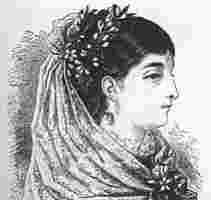
Some experts believe that headbands were actually copied from the early day wreaths that were from in the early Greek period dating from 475 BC to 330 BC. The Greeks and Romans wore wreaths as ornamental bands in the form of naturalistic or stylized leaves worn on the head for very festive occasions or by victors at ancient games of sport. As history progressed the Etruscans and the Romans upgraded their wreaths with precious metals such as gold, silver and gold-plated metals. They also used gilded woods that gave the appearance of myrtle, oak, olive or ivy leaves. Wreaths were eventually worn in processions, dedicated by Holy Men and buried with the dead. They were worn by both the bride in groom in some societies. (Image to the side from Demorest's Monthly Magazine published in 1880. The photo was of a bride who had a headband of leaves and flowers with a shawl attached at the back of the floral decoration).
Even in modern times some traditions still call for wedding ceremonies where both the man and women wear nuptial wreaths. In the Middle Ages young women wore wreaths of gold and eventually gave way to chaplets. While wreaths are certainly a likely beginning of today's headbands, some historians also believe that current day hair bands have slowly taken shape from scarves that were worn around the head or were modified from the band of hats that tied under the chin. Flexible Hair FashionsDisregarding how headbands evolved or what their roots were, headbands are popular with all ages. Although headbands are primarily worn by women, in the world of 2004 some metro sexual men like David Beckham also favor headbands, especially acrylic and faux tort made with teeth. Beckham also was spotted with leather headbands. Whether they are worn as handy functional tools or as pure decoration, headbands are extremely flexible. Headbands can also be easily worn in combination with other hair accessories such as pony elastics, bobby or hair pins and a wide range of clips. Headbands Are Dependable
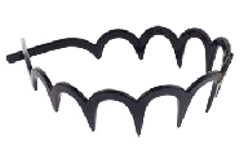
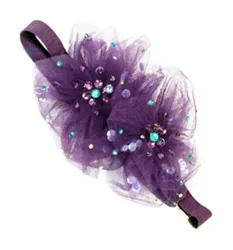
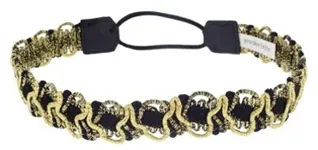
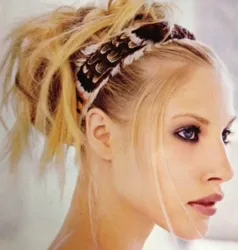
Headbands are designed in a vast array of sizes, materials and price ranges. Headbands can be found at HairBoutique.com as well as in Fred Segal or other tony shopping Meccas. Headbands can be worn for everyday wear, to the Prom, a Wedding or a Hollywood Gala. Many people own multiple headbands at any given time. Just like other fashion accessories like purses or shoes, it is not uncommon to have a set of headbands for casual wear and another set for business or evening wear. Teeth Or No TeethHeadbands fall into two ranges of material. They are either hard bands or soft bands. The hard bands are traditionally made of materials such as faux tortoise, acrylics, and various types of plastics and metals. Soft bands are made out of silks, satins, ribbons, cotton, rayon and various forms of stretchy materials. Soft bands are attached with flexible bands, elastic, snaps or ties. Headbands
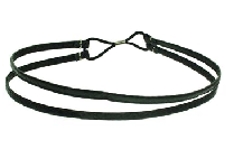
Throughout the fashion history of the last 50 years headbands have come and gone. A few years back the hottest hair rage for headbands was the bra strap band that was instantly developed on the fashion catwalks by stylists from Bumble and Bumble. The bra bands took the fashion world by storm. At one point the bra bands, which were originally made when the B&B designers cut up actual bras to harvest the bands, became a rare commodity. The price for the bra bands went through the roof. The current craze for the soft wide headbands worn close to the hairline hark back to the 60s when silk scarves were worn as headbands tied around the front of the head. Satin and silk bands that range in width from 1 1/2 to 3 inches are the latest trends. Several well known accessory designers like L. Erickson, Jane Tran and others are playing with many versions of this new style. Summary
Those in the hair accessory know predict that the headband will continue to be one of the hottest accessories for 2011 for both men and women. Social Media Network InformationPlease follow me on Twitter at: http://Twitter.com/HairBoutique. I look forward to meeting new Visit us at Hairboutique.com located at: http://www.HairBoutique.com, on Facebook, MySpace and YouTube. Thank you for visiting us at The HairBoutique Blog and for leaving your comments. They are very much appreciated. We apologize in advance but must remove any direct advertisements or solicitations. - Revised Date: 01/03/11 | ||||||||||||||||||
| If you want to talk more about this or other hair care articles on HairBoutique.com or anywhere else, please post a message on HairBoutique.com's Hair Talk Forums.
|
Please follow us on Twitter at: https://Twitter.com/HairBoutique. I look forward to meeting new people from all walks of Twitter and learning from their Tweets.